
Dog Play Equipment for Veterinary and Rehabilitation Facilities That Works
Dog play equipment veterinary rehabilitation facilities invest in serves a fundamentally different purpose than the same equipment in a daycare facility or a community dog park — and that difference in purpose should drive every equipment selection decision. A daycare facility prioritizes enrichment and energy expenditure for healthy dogs. A veterinary or canine rehabilitation facility needs equipment that supports controlled therapeutic exercise, provides appropriate enrichment for dogs with physical limitations, and contributes to recovery outcomes rather than simply keeping dogs occupied during their stay.
Why Standard Kennel Setups Fall Short for Recovery Patients
The typical veterinary boarding and recovery kennel — a run with a raised bed and minimal enrichment — addresses the basic housing need for patients recovering from surgery or medical treatment but does very little to support the psychological and physical wellbeing that affects recovery outcomes. Dogs confined without enrichment in unfamiliar environments experience stress responses that have documented effects on healing — elevated cortisol levels, disrupted sleep, reduced appetite, and in some cases behavioral responses that complicate nursing care and post-operative management.
The field of veterinary care has moved meaningfully toward recognizing the importance of patient enrichment as part of clinical care rather than a luxury add-on — driven by the same evidence base that has shaped shelter medicine’s approach to housing design and human hospital design’s recognition that patient environment affects recovery. Dog play equipment that’s appropriate for the physical condition of recovery patients — which differs from equipment designed for fully active healthy dogs — addresses this enrichment need in a way that standard kennel setups don’t.
Even short periods of meaningful engagement can help reduce anxiety for hospitalized patients. A dog that has opportunities to explore a low platform, rest in an elevated position, or interact with its surroundings often exhibits calmer behavior than one confined to an empty kennel. These seemingly small environmental improvements can reduce pacing, excessive barking, and other stress-related behaviors that increase the workload for veterinary staff while negatively affecting the patient’s overall experience.
Equipment That Supports Controlled Exercise
Canine rehabilitation facilities specifically need dog exercise equipment that supports the controlled, measured movement that post-surgical recovery protocols prescribe — not the free-play exercise that healthy dogs need. A dog recovering from orthopedic surgery may be prescribed specific range-of-motion activities, weight-bearing exercises, and balance challenges that appropriate equipment can facilitate under the supervision of a veterinary rehabilitation professional.
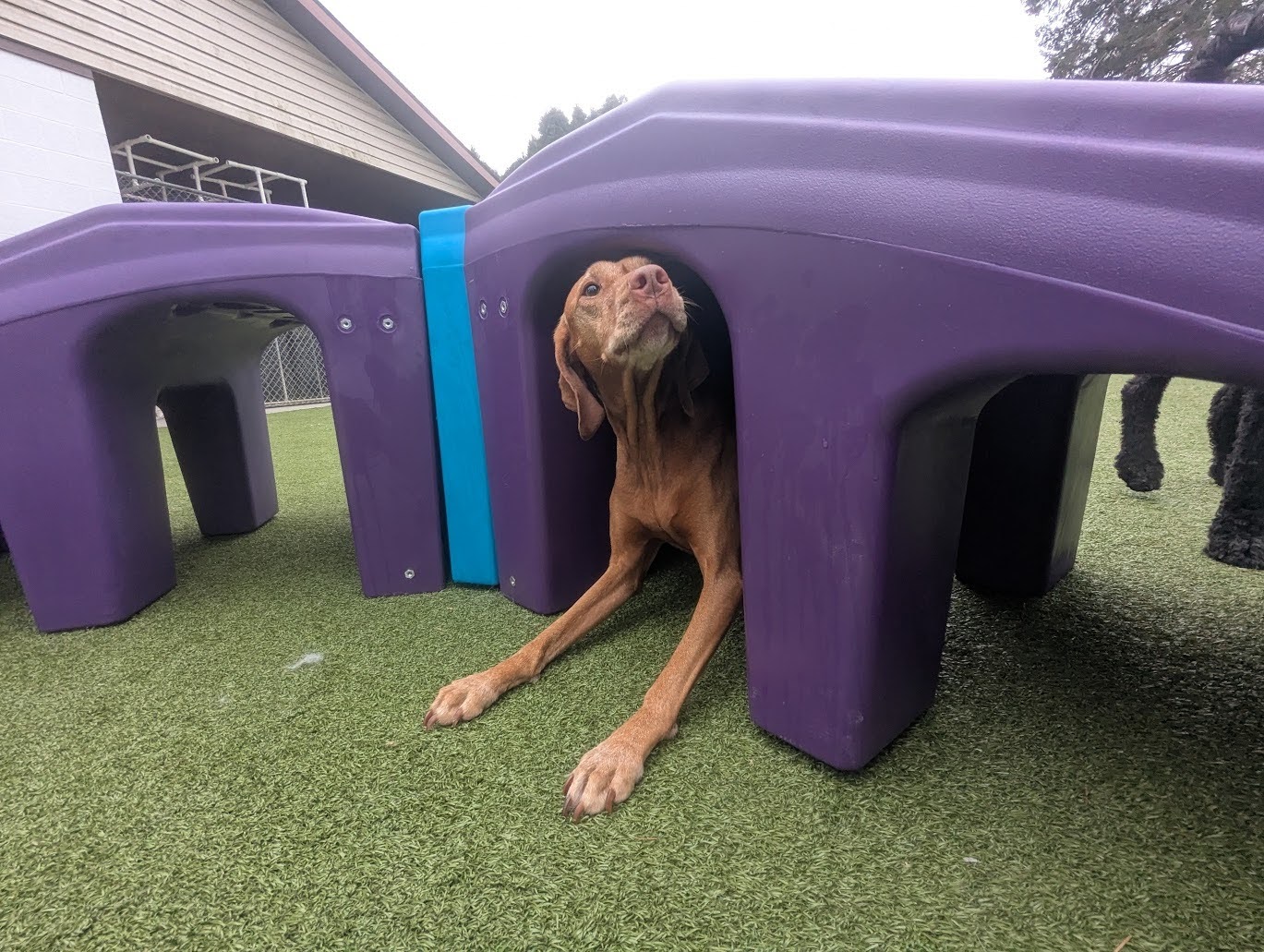
Low-profile platforms and ramps that can be configured at specific heights and inclines support the kind of controlled weight-shifting and balance work that canine rehabilitation protocols use — providing a stable, adjustable surface for therapeutic exercises rather than requiring improvised solutions or expensive purpose-built rehabilitation equipment for every exercise type. The PRO Series Modular systems’ reconfigurability makes them particularly useful in rehabilitation contexts where the equipment configuration needs to adapt to different patients’ protocols rather than serving a single fixed purpose.
Because rehabilitation plans evolve throughout recovery, modular equipment offers another important advantage: progression. As patients regain strength, confidence, and mobility, equipment can be adjusted to introduce slightly greater challenges without requiring entirely new systems. This flexibility allows rehabilitation professionals to tailor exercise programs to each dog’s current abilities while maintaining consistency throughout treatment.
Enrichment for Patients With Physical Limitations
Not all enrichment is appropriate for all patients. Dogs recovering from spinal surgery, limb amputation, or orthopedic procedures have physical limitations that make standard play equipment either inappropriate or inaccessible. Equipment designed for patients with limitations needs to provide the cognitive and sensory engagement that prevents stress and boredom without requiring physical demands that exceed the patient’s current capacity or recovery protocol.
Low-profile platforms that a mobility-limited dog can access without jumping, rest surfaces that provide elevation and visual interest without requiring climbing, and configurations that keep equipment within the dog’s reachable space rather than requiring movement to engage — all of these considerations shape what appropriate enrichment looks like for veterinary patients versus healthy dogs in a daycare environment.
Mental stimulation remains valuable even when physical activity must be restricted. Giving patients opportunities to observe their surroundings from different elevations, explore safe textures, or interact with changing environments helps combat the boredom that often accompanies extended hospitalization. This type of enrichment supports emotional wellbeing without compromising medical restrictions.
Durability Requirements in Clinical Environments
The durability requirements for durable dog play accessories in veterinary and rehabilitation settings include a dimension that daycare and residential applications don’t face — the need for surfaces and materials that can be sanitized with clinical-grade disinfectants repeatedly without deteriorating. Veterinary facilities use disinfection protocols that are significantly more aggressive than what daycare facilities apply, and equipment that holds up to repeated exposure to these products requires genuinely different material specifications than equipment designed only for weather resistance or standard cleaning.
Non-porous surfaces that don’t harbor bacteria or absorb disinfectant chemicals, materials that don’t degrade under repeated exposure to quaternary ammonium compounds and other veterinary disinfectants, and construction that doesn’t create crevices where contamination can accumulate — all of these specifications matter in a clinical environment in ways that don’t apply to other use contexts.
Well-designed commercial equipment also helps streamline daily operations. Smooth, accessible surfaces reduce cleaning time between patients, while durable construction minimizes repairs and replacement costs. For busy veterinary hospitals, equipment that supports infection control while reducing maintenance demands provides long-term operational value alongside clinical benefits.
Rest Infrastructure as Clinical Equipment
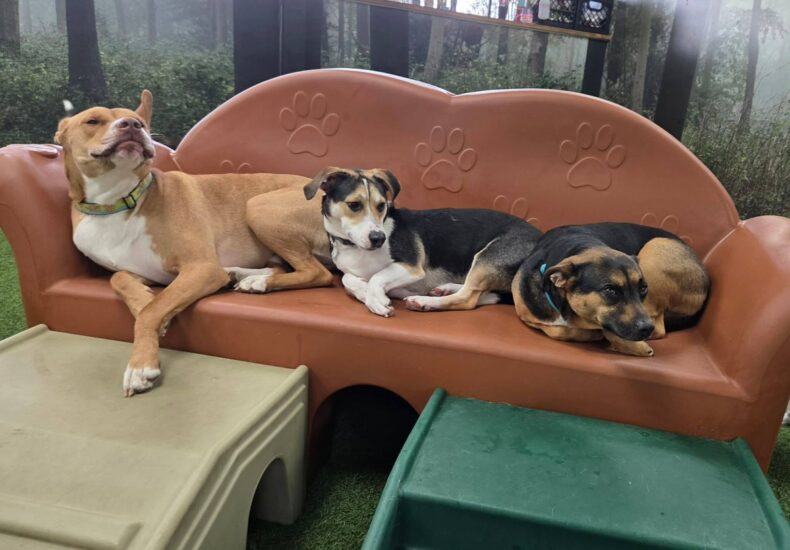
The rest infrastructure that supports dogs between exercise and enrichment sessions in veterinary and rehabilitation facilities serves a genuinely clinical function — appropriate rest surface positioning can affect edema management, incision comfort, and the quality of sleep that directly impacts healing. Elevated rest platforms that keep patients off cold concrete floors, that allow air circulation underneath to reduce moisture accumulation, and that position patients at heights that facilitate nursing observation and care are rest products that serve clinical purposes alongside enrichment ones.
The Cuddle Couch built for commercial use provides the durability and cleanability that clinical environments require while delivering the comfort that makes the difference between patients who rest well and those who remain stressed and uncomfortable throughout their stay — which directly affects the recovery trajectory that veterinary facilities are working to support.
Beyond patient comfort, thoughtfully designed recovery spaces also influence client confidence. Pet owners increasingly evaluate veterinary hospitals based not only on medical expertise but also on the quality of the environment where their pets recover. Facilities that incorporate professional rehabilitation equipment, comfortable rest areas, and enrichment opportunities demonstrate a commitment to comprehensive patient care that clients can easily recognize.
Ultimately, dog play equipment in veterinary and rehabilitation settings should never be viewed as recreational furniture. When thoughtfully selected, it becomes part of a facility’s therapeutic infrastructure — supporting rehabilitation protocols, reducing patient stress, improving staff efficiency, and enhancing the overall standard of care. Investing in adaptable, durable, and clinically appropriate equipment helps veterinary professionals create recovery environments where dogs can heal more comfortably, more confidently, and with better long-term outcomes.