
Beyond the Green Label:
What Natural Plant Care Brands Owe the Dirt
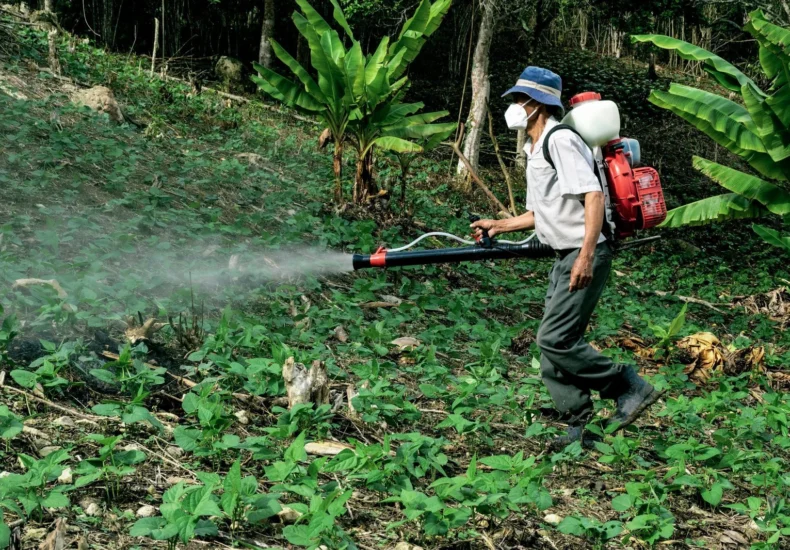
Photo: Gilmer Díaz
In 2026, consumers are looking beyond green labels and marketing promises to understand what sustainable gardening actually means.
Gardeners are paying closer attention to ingredient lists, sourcing practices, and the environmental impact of the products they bring home. Words like natural, botanical, and earth-derived may sound reassuring, but they don’t automatically guarantee a lower environmental footprint.
For years, products marketed as natural often relied on the assumption that nature-sourced ingredients were inherently better for the planet. Today, that assumption is facing greater scrutiny.
Natural ingredients still require resources to extract, process, transport, and package. Their environmental impact depends on where they come from, how they’re produced, and how they’re used. For gardening brands, earning consumer trust increasingly means looking beyond the label and demonstrating a genuine commitment to responsible sourcing and long-term soil health.
The Elephant in the Garden Bed
Consider peat, one of the most celebrated and debated resources in modern plant cultivation.
For generations, horticulturists have prized lowland peat for its remarkable ability to nourish living earth. Formed over thousands of years as wetland plants settled into calm mineral groundwaters, it represents an astonishing concentration of organic wealth. Inside those ancient dark deposits lie rich humic and fulvic acids, compounds that loosen compacted dirt, hold moisture, and help microscopic soil organisms wake up and thrive.
Yet there is another side to the story that conscientious gardeners are starting to talk about openly.
Peatlands are among the most critical ecosystems on our planet. They act as colossal natural vaults holding vast stores of carbon, while providing shelter for rare birds, amphibians, and wetland wildlife. When these ancient wetlands are drained or stripped carelessly, the consequences ripple far beyond the borders of a farm or a family garden. Global environmental groups have repeatedly reminded the public that protecting these fragile landscapes is essential for both biodiversity and climate stability.
This reality places natural plant care right at a fascinating crossroads.
How can a brand celebrate the biological power of peat-derived concentrates while honoring the ecosystems from which those inputs were lifted?
The answer does not lie in silence or defensive marketing. It begins with radical, plainspoken transparency.
The Courage to Name the Limits of Evidence
In an industry saturated with polished sustainability pledges, admitting what you do not know can feel terrifying.
Most corporate press releases read like legal briefs wrapped in pastoral imagery. Brands claim their practices are entirely harmonious with nature, yet they offer zero clarity on extraction sites, processing methods, or the long term environmental balance of the harvest.
Olya Romanenko, CEO and Founder of GroSuccess, a plan-care company that created fertilizers made of with 100% organic materials and zero animal byproduct, offers a refreshing contrast to this defensive reflex.
In building GroSuccess and developing liquid formulas derived from ancient lowland black peat, Romanenko has spent countless mornings standing in market stalls talking to growers who care deeply about what they pour into their dirt. Her perspective on sourcing cuts through standard industry posturing. Rather than hiding behind vague promises of green purity, she advocates for frank conversations about what company documentation actually proves, and where current evidence meets its limits.
That distinction matters enormously.
A brand can show you shipping manifests, verify where an ingredient was extracted, and prove that the liquid inside the bottle underwent minimal processing without harmful chemical additives. Those papers confirm physical origins, purity, and regulatory compliance.
What those papers cannot do on their own is guarantee zero environmental consequence.
True environmental assessment requires ongoing observation of local hydrology, soil regeneration, and habitat recovery over years, not just a stamp on an export document. When brand leaders like Romanenko acknowledge these boundaries openly, it does not weaken their credibility; it strengthens it. It shows that a founder respects the intelligence of the community enough to avoid easy, hollow slogans.
What Growers Should Actually Be Asking
If you walk into a garden supply store or browse an online storefront today, you should feel empowered to look beyond the marketing story.
Being a thoughtful grower means becoming a curious investigator:
- Where was this botanical concentrate harvested?
- Was the peat extracted from an active conservation wetland, or from an approved, managed lowland deposit that is already part of agricultural drainage?
- How was the material transformed from raw bog earth into a clean, soluble liquid formula?
- Did the process rely on caustic chemical washes, or was it gently extracted to preserve natural humic and fulvic structures while minimizing waste?
- What independent assessments exist to verify that the extraction site is being managed with an eye toward ecological preservation?
These are not hostile inquiries. They are the essential questions of a mature consumer base that recognizes nothing in nature comes without trade offs.
Brands that genuinely care about soil vitality should welcome these questions rather than dodging them. When a company can clearly outline its sourcing choices, admit where industry knowledge is still evolving, and explain how it weighs plant benefits against extraction impacts, everyone wins.
Moving from Clean Labels to Real Accountability
The garden industry has spent years telling us that swapping out synthetic fertilizers for organic matter is the ultimate goal.
That transition is undeniably important. Replacing chemical salts with biological concentrates that feed beneficial microorganisms, stimulate root networks, and protect earthworms, frogs, and bees is a massive step forward for the soil in our backyards.
However, saving our local dirt should never come at the expense of ignoring where that nourishment originated.
The future of gardening does not belong to brands that pretend their supply chains exist in an untouched fairy tale. It belongs to founders and companies willing to have an honest dialogue with their customers about extraction, processing, and environmental stewardship.
As consumers demand greater accountability, the brands that endure will be the ones that willingly pull back the curtain.
They will be the ones who say: here is where we found our ancient deposits, here is how we process them gently, here is what our current documentation demonstrates, and here are the questions we are still working to resolve.
That kind of honesty might not fit neatly into an advertising jingle, but it is the only ground upon which genuine, lasting trust can grow.